

Table of Contents
ToggleHow to Choose a Utility Trailer for ATVs, UTVs and Recreational Equipment
If you’re still exploring the different ways a utility trailer can be used, start with our Utility Trailer Buying Guide: How to Choose the Right Utility Trailer for Your Needs.
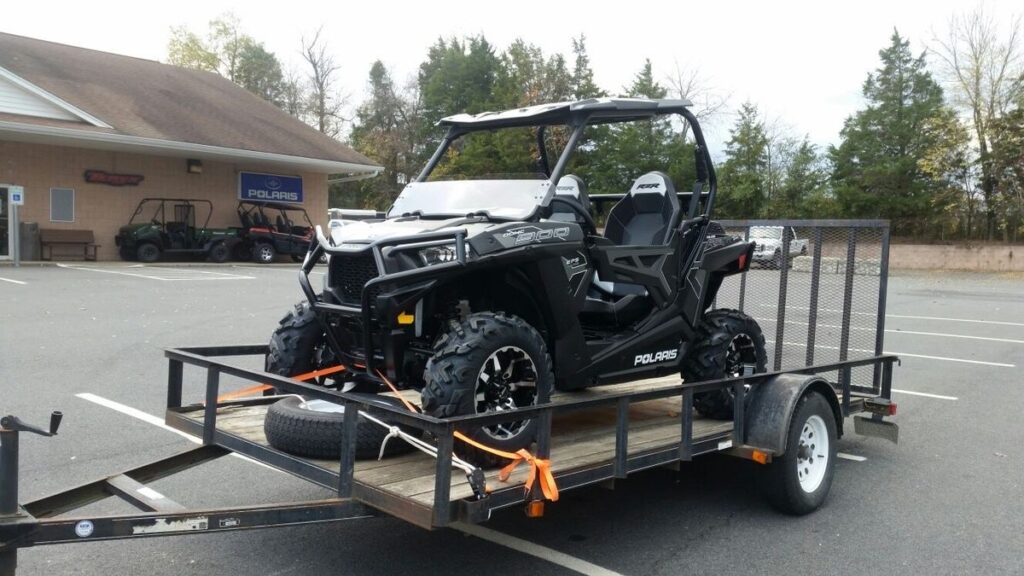
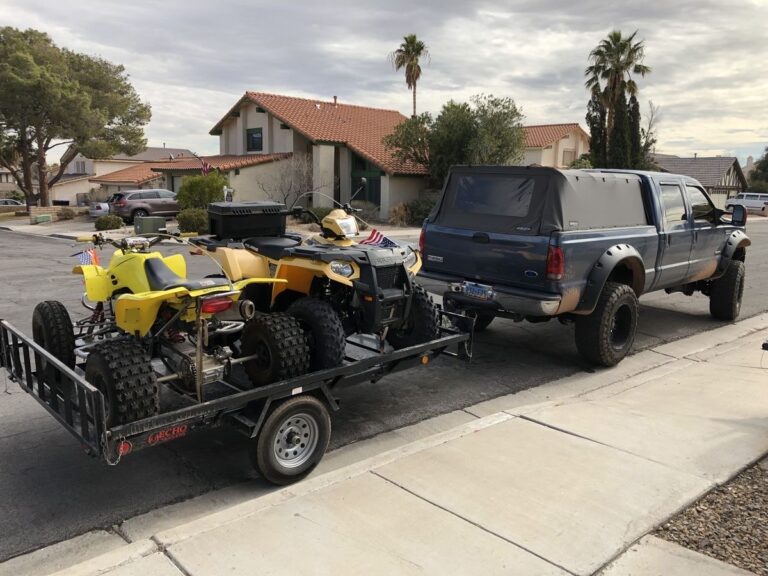
Utility trailers are a popular choice for transporting recreational equipment. From ATVs and four-wheelers to UTVs, side-by-sides and other outdoor equipment, the right trailer can make transportation safer and much more convenient.
However, choosing a utility trailer for ATVs and UTVs requires more than simply finding a trailer that looks large enough.
You need to consider the actual dimensions and weight of your equipment, the trailer’s payload capacity, loading requirements, and how you plan to use the trailer.
Start With the Equipment You Plan to Haul
The first step is identifying exactly what you will transport.
A utility trailer may be used for recreational equipment such as:
- ATVs
- Four-wheelers
- UTVs
- Side-by-sides
- Dirt bikes
- Small motorcycles
- Hunting equipment
- Outdoor gear
The type and number of vehicles you transport will directly affect the trailer size and capacity you need.
For a broader look at different utility trailer applications, read What Can You Haul With a Utility Trailer? A Practical Guide to Trailer Uses.
ATV and UTV Trailer Requirements at a Glance
Equipment | Main Requirement | Important Consideration |
|---|---|---|
Single ATV | Enough deck space | Equipment length and width |
Two ATVs | Longer or wider trailer | Combined weight |
UTV | Wide usable deck | Width between fenders |
Side-by-Side | Large loading area | Overall dimensions and payload |
Dirt Bikes | Secure loading points | Proper tie-down locations |
Multiple Recreational Vehicles | Larger trailer capacity | Weight distribution |
Before choosing a trailer, measure the equipment you plan to haul rather than relying only on general trailer recommendations.
Choose the Right Trailer Size
Trailer dimensions are particularly important when hauling ATVs and UTVs.
You need enough space for the equipment to fit comfortably while still allowing room for proper positioning and securement.
Measure:
- Overall equipment length
- Overall width
- Height if relevant to transportation
- Wheelbase
- Space required for accessories
The width is especially important for UTVs and side-by-sides.
A trailer may appear wide enough overall, but fenders can reduce the usable deck width.
For a detailed explanation of trailer measurements, read Utility Trailer Dimensions Explained: Length, Width & Bed Size Guide.
You can also review What Size Utility Trailer Do You Need? A Complete Size Guide for help comparing different trailer sizes.
Common Trailer Sizes for ATVs and UTVs
Trailer Size | Often Suitable For | Things to Consider |
|---|---|---|
5×8 | Small ATV | Equipment dimensions and weight |
6×10 | Single ATV | Additional gear and loading space |
6×12 | Larger ATV or recreational equipment | Payload capacity |
7×14 | UTV or multiple ATVs | Usable deck width |
7×16 | Larger UTVs or multiple vehicles | Weight distribution and towing |
These are general examples only. Always compare your equipment’s actual measurements and weight with the specifications of the trailer you are considering.
Weight Capacity Is Just as Important as Trailer Size
A trailer can be physically large enough for your ATV or UTV while still lacking enough payload capacity to safely carry it.
Before choosing a trailer, consider the combined weight of:
- The ATV or UTV
- Fuel
- Accessories
- Additional equipment
- Tools
- Cargo
The total loaded weight must remain within the trailer’s rated capacity.
This is why How Much Weight Can a Utility Trailer Carry? Understanding Payload and GVWR is an important guide to review before choosing your trailer.
Never assume that a larger-looking trailer automatically has a higher payload capacity.
Single Axle vs Tandem Axle for Recreational Equipment
The weight and frequency of your hauling can influence the axle configuration that makes the most sense.
Axle Configuration | Often Suitable For | Typical Use |
|---|---|---|
Single Axle | Lighter recreational loads | One ATV and occasional use |
Tandem Axle | Heavier loads | UTVs, multiple ATVs and frequent hauling |
A single axle utility trailer may be practical for lighter equipment and occasional recreational use.
A tandem axle configuration may be a better choice for heavier equipment or larger loads.
For a detailed comparison, see Single Axle vs Tandem Axle Utility Trailers: Which One Should You Choose?
Choose the Right Loading Ramp
Loading an ATV or UTV safely is one of the most important parts of using a utility trailer.
The ramp should be appropriate for:
- The weight of your equipment
- The width of the tires
- The loading angle
- The type of recreational vehicle
A ramp that is too narrow or unsuitable for the equipment can make loading more difficult.
When comparing trailers, consider whether the loading setup provides enough space and support for your equipment.
For additional equipment that can help with loading and securing cargo, explore our Trailer Accessories category.
Secure Your ATV or UTV Properly
Once your equipment is loaded, it needs to be properly secured.
Important considerations include:
- Suitable tie-down points
- Proper cargo straps
- Equipment positioning
- Weight distribution
- Checking securement before traveling
Your trailer should provide practical locations for securing the equipment.
Having enough deck space is important, but safe transportation also depends on preventing the ATV or UTV from shifting during transit.
Consider a Deck-Over Trailer for Wider Equipment
Some UTVs and side-by-sides may require more usable width than a standard utility trailer can provide.
This can become an issue when fenders reduce the available deck space.
For wider equipment, you may want to explore Deck-Over Trailers.
A deck-over configuration can provide a wider loading platform because the deck sits above the wheels.
However, the right choice depends on the size, weight, and loading requirements of your specific equipment.
A standard Utility Trailer may still be the best option for many ATV and recreational hauling needs.
Think About Additional Recreational Gear
Many recreational trips involve more than just the ATV or UTV.
You may also need space for:
- Fuel containers
- Coolers
- Camping equipment
- Hunting gear
- Tools
- Safety equipment
When choosing trailer dimensions, think about everything you regularly bring with you.
A trailer that fits the ATV perfectly may not leave enough room for the rest of your equipment.
This is another reason to carefully compare Utility Trailer Dimensions Explained: Length, Width & Bed Size Guide before making your decision.
Important Features to Look for in an ATV or UTV Trailer
Feature | Why It Matters |
|---|---|
Adequate bed size | Allows your equipment to fit properly |
Strong payload capacity | Supports the total equipment weight |
Suitable loading ramp | Makes loading safer and easier |
Tie-down points | Helps secure equipment during transportation |
Durable deck | Handles repeated loading and unloading |
Appropriate axle setup | Matches your expected load and usage |
The best trailer is one that matches your equipment—not simply the biggest one available.
When a Utility Trailer May Not Be the Best Option
A utility trailer works well for many recreational applications, but there are situations where another trailer category may make more sense.
Your Main Need | Trailer Category to Consider |
|---|---|
General ATV and recreational hauling | |
Wider UTVs and oversized equipment | |
Protected transportation and storage | |
Heavy equipment hauling |
If protecting your recreational equipment from weather is important, an Enclosed Cargo Trailer may be worth considering.
For wider equipment that needs more usable deck width, a Deck-Over Trailer may be a better fit.
How to Choose the Right Utility Trailer for Your Recreational Equipment
Before making your final decision, ask yourself:
- What type of recreational equipment will you haul?
- What are its exact dimensions?
- How much does everything weigh?
- How much additional gear will you bring?
- Do you need a single or tandem axle?
- What type of loading ramp do you need?
- Will you need weather protection?
Answering these questions will help you narrow down your choices.
Final Thoughts
The best utility trailer for ATVs and UTVs depends on the size and weight of your equipment, how often you travel, and the additional gear you need to carry.
A smaller setup may only require a compact utility trailer, while larger UTVs, multiple ATVs, or frequent hauling may require more deck space and greater payload capacity.
The most important thing is to measure your equipment, understand the trailer’s weight capacity, and choose a loading setup that makes transportation practical.
For the complete buying process, return to our Utility Trailer Buying Guide: How to Choose the Right Utility Trailer for Your Needs.
You can also explore our Utility Trailers category to compare trailers for different hauling requirements.
For other hauling requirements, explore our Utility Trailers, Deck-Over Trailers, Lowdeck Trailers, Enclosed Cargo Trailers, Horse Trailers & Stock Trailers, and Accessories.
For safe towing and loading practices, visit the NHTSA trailer safety guidelines.
