

Table of Contents
ToggleDump Trailer Maintenance Guide: How to Keep Your Trailer Reliable, Safe & Ready for Work
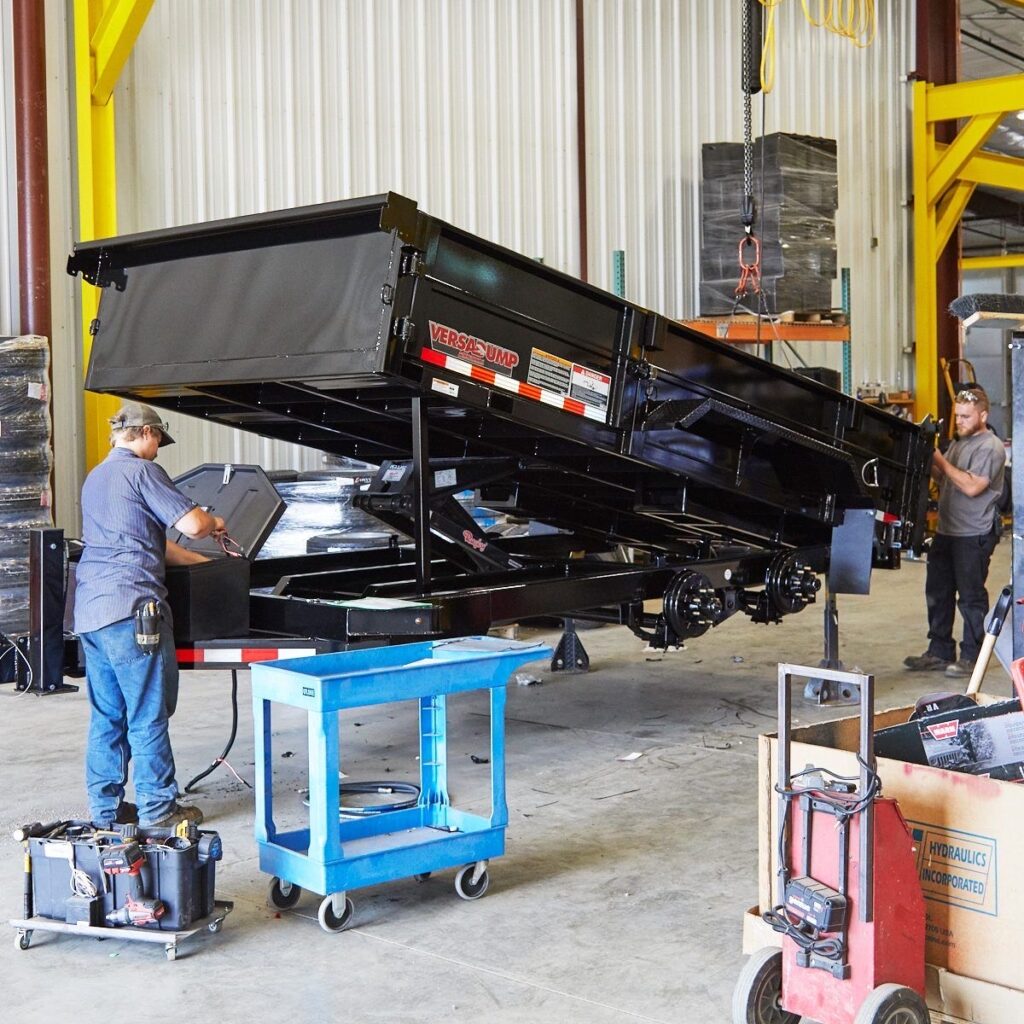
A dump trailer is a major investment for contractors, landscapers, farmers, property owners, and businesses that regularly transport heavy materials. But purchasing the right trailer is only the beginning. Regular maintenance is essential for keeping the trailer reliable, protecting its components, and ensuring it remains ready for the next job.
This dump trailer maintenance guide explains the most important areas to inspect and maintain, including tires, brakes, bearings, suspension, hydraulic components, electrical systems, and the dump bed itself.
Whether you own a compact 5×8 Dump Trailer, a 5×10 Dump Trailer, a 6×10 Dump Trailer, a tandem axle model, or a larger Tri Axle Dump Trailer, following a consistent maintenance routine can help you identify problems before they become major repairs.
Why Regular Dump Trailer Maintenance Matters
Dump trailers often operate in demanding conditions.
They may regularly encounter:
- Dirt
- Gravel
- Mud
- Water
- Dust
- Heavy loads
- Rough job sites
- Road debris
These conditions can put additional stress on tires, suspension, brakes, hydraulic components, and electrical connections.
Regular inspections can help you identify wear early and keep your trailer operating as intended.
1. Inspect the Tires Regularly
Tires are among the most important components on any trailer.
Before using your dump trailer, inspect the tires for:
- Uneven wear
- Cracks
- Cuts
- Bulges
- Low pressure
- Visible damage
Check the manufacturer’s recommended tire pressure and load rating.
Remember that trailer tires carry significant weight, particularly when the trailer is loaded with dense materials such as gravel, concrete, or soil.
If you operate a tandem or tri axle trailer, inspect every tire, not just the easiest ones to access.
2. Check the Wheel Bearings
Wheel bearings allow the wheels to rotate smoothly.
Worn or improperly maintained bearings can create problems and may eventually lead to wheel or hub damage.
During maintenance, inspect the bearings according to the trailer manufacturer’s recommended service schedule.
Pay attention to:
- Excessive play
- Unusual noise
- Overheating
- Damaged seals
- Signs of contamination
If you’re unsure how to service wheel bearings, have the trailer inspected by a qualified professional.
3. Inspect the Braking System
A properly maintained braking system is essential, especially when transporting heavy loads.
Depending on your trailer configuration, inspect:
- Brake assemblies
- Brake wiring
- Magnets on electric brake systems
- Brake drums or other components
- Brake controller connection
- Hydraulic components where applicable
Our Electric Brakes vs Surge Brakes guide explains the differences between these braking systems.
Never ignore unusual braking behavior.
If the trailer pulls unexpectedly, brakes unevenly, or produces unusual sounds, have it inspected before continuing to use it.
4. Maintain the Hydraulic System
The hydraulic system is the heart of a dump trailer.
It allows the trailer bed to rise and unload materials efficiently.
Important components include:
- Hydraulic pump
- Hydraulic cylinder
- Hydraulic reservoir
- Hydraulic hoses
- Battery
- Electrical connections
Our Hydraulic Dump Trailer Buying Guide provides a more detailed explanation of how these components work.
Inspect Hydraulic Hoses
Look for:
- Cracks
- Abrasion
- Leaks
- Damaged fittings
- Loose connections
Hydraulic leaks should be addressed promptly.
Do not attempt to handle high-pressure hydraulic leaks with your hands. Have damaged components properly repaired or replaced by a qualified technician.
5. Check the Hydraulic Fluid
Hydraulic fluid should be maintained according to the manufacturer’s specifications.
Check the reservoir regularly and inspect for signs of contamination or leaks.
Using the correct fluid and maintaining the proper level can help the hydraulic system operate consistently.
Always follow the trailer manufacturer’s instructions for the appropriate fluid and service interval.
6. Maintain the Trailer Battery
Many dump trailers use an onboard battery to power the hydraulic pump.
A weak battery can lead to:
- Slow bed operation
- Difficulty lifting loads
- Hydraulic pump problems
- Unexpected downtime
Check:
- Battery terminals
- Cable connections
- Corrosion
- Charge level
- Battery condition
A battery charger or maintenance charger can be a useful addition to your trailer setup.
You can find useful trailer equipment in our Accessories category.
7. Inspect the Suspension
The suspension system helps support the trailer and absorb road impacts.
Inspect components for:
- Cracks
- Excessive wear
- Damaged springs
- Loose hardware
- Uneven positioning
Tandem and tri axle trailers have additional suspension components, so inspections become even more important as trailer size increases.
Our Tandem Axle Dump Trailer Buying Guide and Tri Axle Dump Trailer Buying Guide explain these configurations in more detail.
8. Inspect the Dump Bed and Frame
The dump bed and frame are exposed to significant stress during loading, transportation, and unloading.
Look for:
- Cracks
- Bent components
- Corrosion
- Damaged welds
- Loose hardware
- Structural damage
Pay particular attention to areas around hinges, mounting points, and the hydraulic cylinder.
If you notice structural damage, stop using the trailer until it has been properly inspected.
9. Keep the Trailer Clean
Cleaning your trailer after demanding jobs can help prevent buildup of:
- Mud
- Dirt
- Salt
- Gravel
- Concrete residue
- Organic material
This is particularly important if the trailer is regularly exposed to moisture or road salt.
After cleaning, allow components to dry and inspect for any damage that may have been hidden by dirt or debris.
10. Inspect the Electrical System
Your trailer’s electrical system controls important features including:
- Brake connections
- Tail lights
- Turn signals
- Marker lights
- Hydraulic pump connections
Inspect wiring for:
- Fraying
- Cuts
- Corrosion
- Loose connections
- Damaged insulation
Make sure the trailer connector is clean and securely connected to the tow vehicle.
11. Check the Lights
Before every trip, verify that:
- Brake lights work
- Turn signals work
- Running lights work
- Marker lights work
Replacing a damaged light is a simple maintenance task that can help improve visibility on the road.
12. Inspect the Hitch and Coupler
The connection between the trailer and tow vehicle is critical.
Before towing, inspect:
- Coupler
- Safety chains
- Hitch components
- Breakaway system
- Electrical connector
Make sure the coupler is properly secured and locked according to the manufacturer’s instructions.
Never rely solely on the hitch connection without properly attaching the required safety equipment.
13. Check the Trailer’s GVWR and Payload
Maintenance isn’t only about mechanical components.
You should also make sure you’re using the trailer within its rated capacity.
Our Dump Trailer Capacity Guide explains the difference between:
- GVWR
- Payload
- Empty trailer weight
- Axle rating
- Tire rating
Overloading can place excessive stress on tires, suspension, brakes, axles, and the frame.
14. Maintain Your Dump Trailer Based on Usage
Not every trailer needs the exact same maintenance schedule.
A trailer used once a month for residential yard cleanup may experience considerably less wear than one used every day by a commercial contractor.
Occasional Use
Inspect the trailer before each use and perform scheduled maintenance according to the manufacturer.
Frequent Commercial Use
Commercial operators should perform more frequent inspections because the trailer experiences substantially more cycles and road exposure.
Maintenance Considerations by Trailer Size
5×8 Dump Trailers
Compact trailers can be excellent for:
- Homeowners
- Light landscaping
- Small construction projects
See our 5×8 Dump Trailer Buying Guide.
5×10 Dump Trailers
A 5×10 provides additional bed length while remaining relatively maneuverable.
See our 5×10 Dump Trailer Buying Guide.
6×10 Dump Trailers
The wider bed can provide additional loading space for larger workloads.
See our 6×10 Dump Trailer Buying Guide.
Tandem Axle Dump Trailers
Additional axles mean more tires, brakes, bearings, and suspension components to inspect.
Tri Axle Dump Trailers
Three-axle configurations require careful attention to all wheels, tires, brakes, bearings, and suspension components.
When to Use a Professional Technician
Some maintenance tasks are better left to qualified professionals.
Consider professional inspection when you notice:
- Hydraulic leaks
- Brake problems
- Structural cracks
- Serious tire damage
- Bearing problems
- Electrical faults
- Suspension damage
Attempting to repair critical components without the proper knowledge or equipment can create unnecessary safety risks.
Accessories That Can Make Maintenance Easier
Useful accessories can help keep your trailer organized and ready for work.
Consider:
- Toolboxes
- Spare tire mounts
- Battery chargers
- Tarp systems
- Work lights
- Tie-down equipment
Explore our Accessories category for additional trailer equipment.
When a Different Trailer Type Is Better
A dump trailer isn’t the best choice for every type of cargo.
Utility Trailers
Ideal for general cargo, lawn equipment, ATVs, and everyday hauling.
Enclosed Cargo Trailers
Better for equipment and tools that need protection from weather.
Deck-Over Trailers
Useful for wide and heavy equipment.
Lowdeck Trailers
Designed for easier loading of heavy machinery.
Horse & Stock Trailers
Designed specifically for livestock transportation.
Understanding the difference between these categories helps ensure you’re using the right trailer for the job.
Conclusion
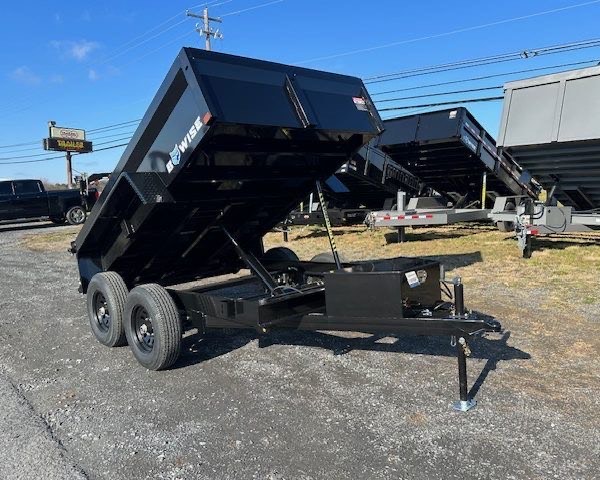
Regular maintenance is one of the best ways to protect your dump trailer investment.
By inspecting your tires, brakes, bearings, suspension, hydraulic system, battery, electrical connections, frame, and dump bed, you can identify potential problems before they become more expensive repairs.
Whether you operate a compact 5×8 dump trailer or a larger tandem or tri axle model, consistent inspections and proper servicing are essential.
Before making your decision, explore our Dump Trailer Buying Guide, 5×8 Dump Trailer Buying Guide, 5×10 Dump Trailer Buying Guide, 6×10 Dump Trailer Buying Guide, Single Axle Dump Trailer Buying Guide, and Tandem Axle Dump Trailer Buying Guide.
For other hauling requirements, explore our Utility Trailers, Deck-Over Trailers, Lowdeck Trailers, Enclosed Cargo Trailers, Horse Trailers & Stock Trailers, and Accessories.
For safe towing and loading practices, visit the NHTSA trailer safety guidelines.
