

Table of Contents
ToggleHydraulic Dump Trailer Buying Guide: How to Choose the Right Hydraulic System for Reliable Dumping
The hydraulic system is one of the most important components of a dump trailer. It is responsible for lifting the trailer bed and allowing materials to be unloaded quickly without requiring extensive manual labor.
This hydraulic dump trailer buying guide explains the major hydraulic components, features to look for, and important considerations when choosing a dump trailer for construction, landscaping, agriculture, or property maintenance.
Whether you’re comparing a compact 5×8 Dump Trailer, a 5×10 Dump Trailer, a 6×10 Dump Trailer, or a larger tandem axle model, understanding the hydraulic system can help you make a more informed purchasing decision.
What Is a Hydraulic Dump Trailer?
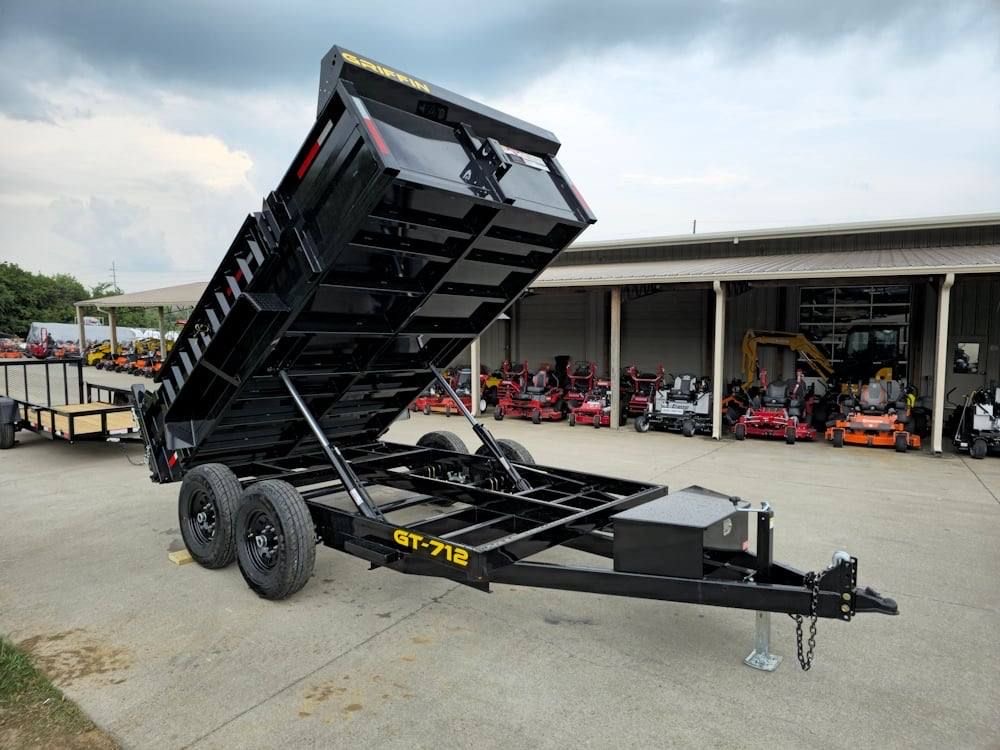
A hydraulic dump trailer uses hydraulic pressure to raise its dump bed.
Instead of manually removing material from the trailer, the operator activates the hydraulic system, which extends one or more hydraulic cylinders and tilts the bed.
This makes it particularly useful for loose materials such as:
- Gravel
- Sand
- Soil
- Mulch
- Construction debris
- Asphalt
- Firewood
The ability to unload quickly is one of the primary reasons buyers choose Dump Trailers instead of conventional trailers.
How Does a Hydraulic Dump System Work?
A typical hydraulic dump system contains several important components.
Hydraulic Pump
The pump generates the hydraulic pressure required to move the cylinder.
A reliable pump should provide consistent performance without excessive overheating or unnecessary noise.
Hydraulic Cylinder
The cylinder converts hydraulic pressure into mechanical movement.
When hydraulic fluid enters the cylinder, it extends and raises the dump bed.
Hydraulic Reservoir
The reservoir stores the hydraulic fluid used by the system.
A properly sized reservoir helps maintain consistent operation.
Battery
Many dump trailers use an onboard battery to power the electric hydraulic pump.
Battery condition is therefore an important part of overall trailer maintenance.
Why Hydraulic Quality Matters
A dump trailer can have excellent steel construction and a high GVWR, but a poor hydraulic system can still make it frustrating to operate.
A quality hydraulic system can provide:
- Faster unloading
- Consistent lifting performance
- Reduced downtime
- Better reliability
- Easier maintenance
For buyers who use their trailers every day, hydraulic reliability should be considered just as carefully as payload capacity.
Single Cylinder vs Dual Cylinder Systems
Different dump trailers use different hydraulic configurations.
Single Cylinder
Single-cylinder systems can be suitable for smaller dump trailers and lighter applications.
They can offer:
- Simpler design
- Easier maintenance
- Lower system complexity
This can work particularly well for smaller trailers such as those discussed in our Single Axle Dump Trailer Buying Guide.
Dual Cylinder
Dual-cylinder systems provide additional lifting support and are commonly found on larger or heavier-duty dump trailers.
They can be beneficial when regularly handling heavier loads.
Buyers should always follow the manufacturer’s specifications rather than assuming that more cylinders automatically means a better trailer.
Choosing the Right Dump Trailer Size
Hydraulic requirements are closely connected to trailer size and payload.
5×8 Dump Trailers
A compact 5×8 model can be ideal for homeowners and landscapers working on smaller projects.
Read our 5×8 Dump Trailer Buying Guide for more information.
5×10 Dump Trailers
A 5×10 provides additional length and hauling capacity while remaining relatively maneuverable.
Our 5×10 Dump Trailer Buying Guide covers this configuration in more detail.
6×10 Dump Trailers
The additional width of a 6×10 model can be useful for larger loads and commercial applications.
See our 6×10 Dump Trailer Buying Guide for a detailed comparison.
Tandem Axle Dump Trailers
For heavier workloads, tandem axle configurations provide increased stability and payload potential.
Our Tandem Axle Dump Trailer Buying Guide explains the differences between single and tandem axle configurations.
What Should You Look for in a Hydraulic System?
Before buying a dump trailer, consider the following:
Pump Quality
Look for a dependable electric hydraulic pump designed for the trailer’s intended workload.
Cylinder Capacity
The cylinder should be appropriately rated for the trailer and its maximum payload.
Battery Capacity
A reliable battery helps ensure the hydraulic system can operate consistently throughout the workday.
Hydraulic Hose Protection
Hydraulic hoses should be routed and protected carefully to reduce the risk of damage during loading and unloading.
Easy Maintenance
Components that are easy to access can make routine maintenance much simpler.
Hydraulic Dump Trailers for Construction
Construction companies frequently rely on hydraulic dump trailers for moving materials and cleaning job sites.
Common applications include:
- Concrete removal
- Roofing debris
- Dirt excavation
- Asphalt removal
- Demolition cleanup
When the job involves transporting heavy machinery rather than loose materials, Deck-Over Trailers and Lowdeck Trailers may be better choices.
Hydraulic Dump Trailers for Landscaping
Landscapers can use hydraulic dump trailers to quickly unload:
- Mulch
- Soil
- Gravel
- Sand
- Decorative stone
For transporting lawn equipment, mowers, or ATVs, Utility Trailers can provide a more suitable platform.
Hydraulic Dump Trailers for Farms
Farmers may use hydraulic dump trailers for:
- Soil
- Feed
- Fertilizer
- Firewood
- Fence materials
If you need to transport livestock rather than materials, explore Horse Trailers & Stock Trailers.
Important Maintenance Tips
Regular maintenance can help extend the life of your hydraulic system.
Check Hydraulic Fluid
Inspect fluid levels according to the manufacturer’s recommendations.
Inspect Hydraulic Hoses
Look for visible damage, leaks, or excessive wear.
Maintain the Battery
Keep battery terminals clean and ensure the battery remains properly charged.
Inspect the Cylinder
Check the cylinder and surrounding components for damage or unusual movement.
Keep the System Clean
Dirt and debris can create problems around hydraulic components, so keeping the system clean is important.
Accessories That Improve Dump Trailer Operation
Several accessories can make daily trailer use more convenient.
Consider:
- Tarp systems
- Toolboxes
- Spare tire mounts
- Battery chargers
- Loading ramps
- Tie-down equipment
You can explore additional options through your Accessories category.
If your priority is protecting cargo from weather, Enclosed Cargo Trailers may be a better solution than an open dump trailer.
Common Hydraulic Dump Trailer Buying Mistakes
Choosing Based Only on Price
The cheapest hydraulic system isn’t necessarily the best long-term investment.
Ignoring Payload Requirements
The hydraulic system must be appropriate for the trailer’s intended load.
Neglecting Maintenance
Hydraulic components require regular inspection and proper maintenance.
Forgetting the Tow Vehicle
A hydraulic dump trailer still needs to be safely matched to the tow vehicle.
How Hydraulic Dump Trailers Compare With Other Trailers
Different trailer types serve different purposes:
- Dump Trailers — Best for loose materials and quick unloading.
- Utility Trailers — Great for general cargo and equipment.
- Enclosed Cargo Trailers — Protect cargo from weather.
- Deck-Over Trailers — Excellent for wide and heavy equipment.
- Lowdeck Trailers — Useful for loading heavy machinery.
- Horse Trailers & Stock Trailers — Designed for livestock.
Understanding these differences helps ensure you’re investing in the trailer that actually matches your workload.
Conclusion
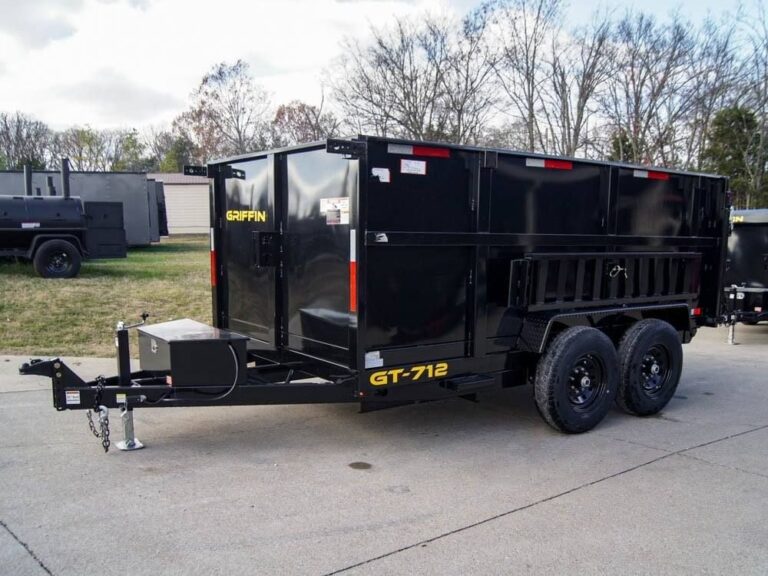
A reliable hydraulic system can make a major difference in the performance and usability of a dump trailer. From compact residential models to heavy-duty tandem axle trailers, understanding the pump, cylinders, battery, hydraulic hoses, and maintenance requirements can help buyers make a smarter decision.
Before purchasing, compare the hydraulic system with your expected workload, payload requirements, tow vehicle, and frequency of use.
For additional information, explore our Dump Trailer Buying Guide, 5×8 Dump Trailer Buying Guide, 5×10 Dump Trailer Buying Guide, 6×10 Dump Trailer Buying Guide, and Tandem Axle Dump Trailer Buying Guide.
Before purchasing any trailer, it’s important to understand federal trailer safety standards, braking requirements, and towing regulations. The NHTSA Trailer Safety Resources provide useful guidance for new trailer owners and buyers.
