

Table of Contents
ToggleTandem Axle Dump Trailer Buying Guide: How to Choose the Right Trailer for Heavy-Duty Hauling
When your hauling requirements go beyond what a single axle trailer can comfortably handle, a tandem axle dump trailer can provide the additional stability, payload capacity, and durability you need. This tandem axle dump trailer buying guide explains the key features to consider before choosing a trailer for construction, landscaping, agriculture, property maintenance, or commercial hauling.
Tandem axle dump trailers use two axles instead of one, distributing the trailer and cargo weight across four wheels. This configuration can provide better stability and braking performance, particularly when hauling heavier loads.
If you’re still comparing different trailer configurations, our Trailer Buying Guide provides a broader overview of the major trailer types and their applications.
What Is a Tandem Axle Dump Trailer?
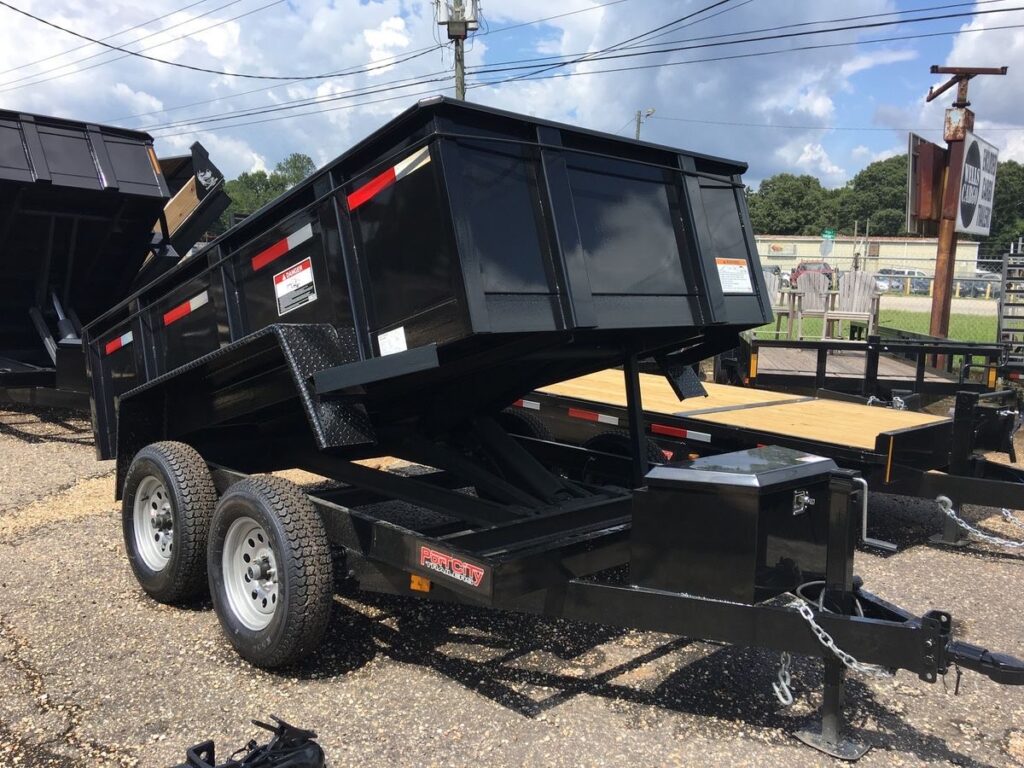
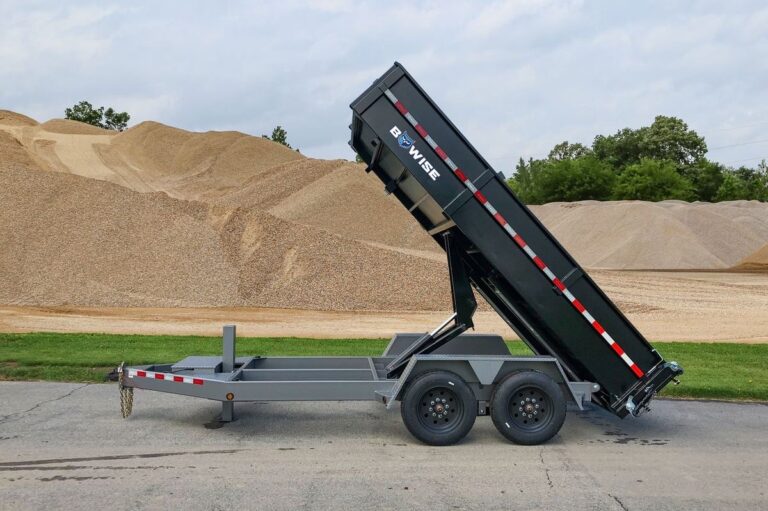
A tandem axle dump trailer has two axles positioned close together underneath the trailer bed. This configuration allows the trailer to support heavier loads than many comparable single axle models.
The additional axle can provide:
- Greater payload capacity
- Improved stability
- Better weight distribution
- Increased braking capability
- Greater durability for demanding applications
If you’re deciding between axle configurations, our Single Axle Dump Trailer Buying Guide provides a useful comparison.
Why Choose a Tandem Axle Dump Trailer?
1. Higher Payload Capacity
One of the primary reasons buyers choose tandem axle models is the ability to handle heavier loads.
Depending on the trailer’s specifications, tandem axle dump trailers can be suitable for transporting:
- Gravel
- Sand
- Topsoil
- Concrete
- Asphalt
- Demolition debris
- Landscaping materials
Always check the manufacturer’s GVWR and payload specifications rather than assuming that every tandem axle trailer has the same capacity.
2. Better Stability
The additional axle helps distribute the load across more tires.
This can provide improved stability when transporting heavier materials, particularly during highway travel and on uneven job sites.
For contractors who regularly haul substantial loads, this added stability can make a significant difference.
3. Improved Braking Performance
Many tandem axle dump trailers are equipped with electric brakes on multiple wheels.
Having braking capability across multiple axles can provide better control when hauling heavier loads.
Buyers should always verify the trailer’s brake configuration and make sure the tow vehicle has the appropriate brake controller and towing equipment.
Best Uses for Tandem Axle Dump Trailers
Construction
Tandem axle dump trailers are particularly useful for construction companies handling:
- Concrete debris
- Roofing materials
- Excavation materials
- Demolition waste
- Asphalt
- Construction-site cleanup
For transporting heavy machinery rather than loose materials, Deck-Over Trailers and Lowdeck Trailers may be more appropriate.
Landscaping
Landscapers can use tandem axle dump trailers to transport larger quantities of:
- Mulch
- Gravel
- Topsoil
- Sand
- Decorative stone
The hydraulic dumping system allows materials to be unloaded quickly once the trailer reaches the job site.
Agriculture
Farmers and ranchers can use tandem axle dump trailers for:
- Soil
- Feed
- Fertilizer
- Fence materials
- Firewood
- Farm supplies
For transporting livestock, explore Horse Trailers & Stock Trailers instead of using a dump trailer.
Property Maintenance
A tandem axle dump trailer can also be useful for larger property projects involving:
- Storm cleanup
- Tree removal
- Brush disposal
- Landscaping renovations
- Driveway improvements
Choosing the Right GVWR
GVWR is one of the most important specifications to consider.
The Gross Vehicle Weight Rating represents the maximum allowable combined weight of the trailer and its cargo.
Tandem axle dump trailers are available in different GVWR configurations, so don’t select a trailer simply because it has two axles.
Instead, determine:
- How much material you regularly haul.
- The empty weight of the trailer.
- Your required payload.
- Your tow vehicle’s maximum towing capacity.
For example, if you regularly haul dense materials such as gravel or concrete, your trailer may reach its weight limit before the bed is physically full.
Tandem Axle vs Single Axle Dump Trailer
Both configurations have their place.
Single Axle
Best suited for:
- Lighter loads
- Residential projects
- Smaller landscaping jobs
- Lower-cost ownership
- Easier maneuverability
See our 5×8 Dump Trailer Buying Guide and Single Axle Dump Trailer Buying Guide for smaller applications.
Tandem Axle
Better suited for:
- Heavier loads
- Frequent commercial use
- Longer-distance towing
- Larger landscaping projects
- Construction work
If your workload is consistently increasing, upgrading from a single axle to a tandem axle configuration may make sense.
What Size Tandem Axle Dump Trailer Should You Buy?
Common sizes include:
- 5×10
- 6×10
- 6×12
- Larger commercial configurations
A 5×10 can provide a good balance between capacity and maneuverability, while a 6×10 offers additional width for larger loads.
Our 5×10 Dump Trailer Buying Guide and 6×10 Dump Trailer Buying Guide can help you compare these configurations in greater detail.
Hydraulic System and Dump Angle
The hydraulic system is critical to the trailer’s performance.
When comparing models, consider:
- Hydraulic pump quality
- Cylinder size
- Dump angle
- Battery capacity
- Hydraulic hose protection
- Ease of maintenance
A larger dump angle can make it easier to unload materials that tend to stick to the trailer bed.
Trailer Construction and Durability
A tandem axle dump trailer designed for frequent commercial use should have a durable frame and properly reinforced dump body.
Look for features such as:
- Heavy-duty steel construction
- Reinforced frame rails
- Quality suspension components
- Durable flooring
- Protected wiring
- Properly rated axles
The right construction quality can make a significant difference when the trailer is used repeatedly under demanding conditions.
Essential Accessories
The right accessories can improve convenience and productivity.
Consider:
- Tarp systems
- Spare tire mounts
- Toolboxes
- Loading ramps
- LED lighting
- Battery chargers
- Tie-down points
You can find additional upgrades in our Accessories category.
If you need to transport equipment that must remain protected from weather, consider Enclosed Cargo Trailers instead.
Towing a Tandem Axle Dump Trailer
Before purchasing, make sure your tow vehicle is properly equipped.
Check:
- Maximum towing capacity
- Payload capacity
- Hitch rating
- Brake controller requirements
- Electrical connection
- Trailer tongue weight
Never determine towing suitability based solely on the trailer’s unloaded weight. The fully loaded trailer can weigh substantially more.
Common Buying Mistakes
Buying Based Only on Trailer Size
A larger bed does not automatically mean a higher payload rating. Always check the GVWR and empty trailer weight.
Ignoring Your Tow Vehicle
Your truck must be capable of safely handling the trailer’s loaded weight.
Choosing the Cheapest Hydraulic System
A reliable hydraulic system is essential for a dump trailer that will be used regularly.
Forgetting Maintenance
Tires, brakes, bearings, suspension components, and hydraulic systems all require regular inspection.
How Does a Tandem Axle Dump Trailer Compare With Other Trailers?
Different jobs require different trailer configurations.
- Dump Trailers — Best for loose materials and fast unloading.
- Utility Trailers — Excellent for general cargo and equipment.
- Deck-Over Trailers — Ideal for wider or heavier equipment.
- Lowdeck Trailers — Useful for loading heavy machinery.
- Enclosed Cargo Trailers — Designed to protect cargo from weather.
- Horse Trailers & Stock Trailers — Designed specifically for livestock transportation.
Choosing based on your actual workload is more important than simply choosing the largest trailer available.
Conclusion
A tandem axle dump trailer is an excellent choice for buyers who regularly need more capacity, stability, and durability than a single axle configuration can provide.
For contractors, landscapers, farmers, and property owners handling heavier materials, the combination of two axles, hydraulic dumping capability, and increased payload potential can make daily hauling considerably more efficient.
Before making your decision, compare the Dump Trailer Buying Guide, 5×8 Dump Trailer Buying Guide, 5×10 Dump Trailer Buying Guide, 6×10 Dump Trailer Buying Guide, and Single Axle Dump Trailer Buying Guide.
For other hauling applications, explore Utility Trailers, Deck-Over Trailers, Lowdeck Trailers, Enclosed Cargo Trailers, Horse Trailers & Stock Trailers, and Accessories.
Before purchasing any trailer, it’s important to understand federal trailer safety standards, braking requirements, and towing regulations. The NHTSA Trailer Safety Resources provide useful guidance for new trailer owners and buyers.
