
Table of Contents
ToggleThe Complete Guide to Choosing the Right Trailer for Your Needs
Choosing the right trailer is not just about price—it’s about performance, safety, and long-term value. Whether you’re hauling equipment, transporting vehicles, or managing a business, the trailer you select will directly impact your efficiency and operating costs.
Today’s market offers a wide range of options, from lightweight Utility Trailers to heavy-duty Dump Trailers and secure Enclosed Cargo Trailers. Understanding how each type works will help you avoid costly mistakes and choose a trailer that truly fits your needs.
Understanding the Different Types of Trailers
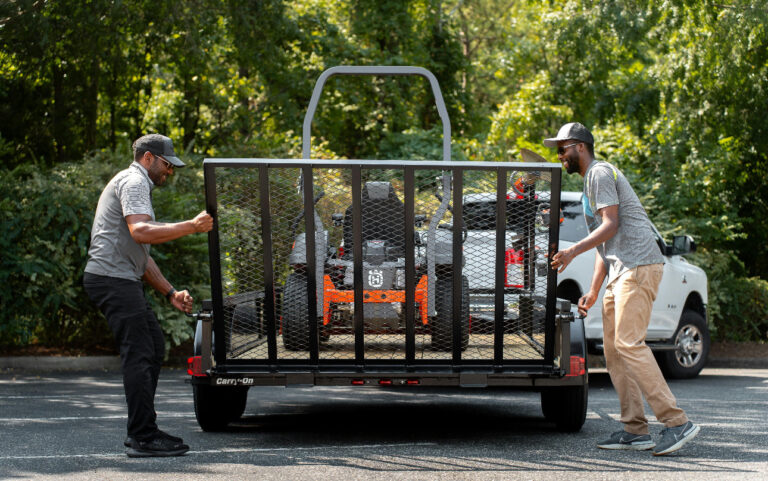
Utility Trailers: Everyday Versatility
If you’re looking for a simple, cost-effective hauling solution, Utility Trailers are one of the most popular choices.
They are ideal for:
Landscaping equipment
Small machinery
Household moves
Their open design makes loading and unloading quick, but they offer less protection compared to enclosed models.
Enclosed Cargo Trailers: Security & Protection
For businesses and valuable cargo, Enclosed Cargo Trailers are a top-tier choice.
Key advantages:
Weather protection (rain, dust, sun)
Increased security against theft
Professional appearance for businesses
They are commonly used by contractors, delivery services, and mobile businesses.
Dump Trailers: Built for Heavy-Duty Jobs
When it comes to construction and debris removal, nothing beats Dump Trailers.
These trailers come with hydraulic systems that allow you to unload materials quickly, saving both time and labor.
Perfect for:
Gravel and sand
Demolition waste
Construction materials
Deck-Over & Lowdeck Trailers: Maximum Capacity
For transporting heavy machinery or oversized loads, Deck-Over Trailers and Lowdeck Trailers provide superior performance.
Deck-over trailers allow wider loads
Lowdeck trailers offer a lower center of gravity for better stability
These are commonly used in industrial and commercial transport.
Horse & Stock Trailers: Safe Livestock Transport
Transporting animals requires specialized equipment like Horse Trailers & Stock Trailers.
They are designed with:
Proper ventilation
Non-slip flooring
Safe loading ramps
Safety and comfort are the top priorities in this category.
Key Factors to Consider Before Buying a Trailer
Weight Capacity (GVWR)
One of the biggest mistakes buyers make is underestimating weight requirements. Always choose a trailer that exceeds your expected load capacity to ensure safety and durability.
Trailer Size & Dimensions
Think long-term. If your needs grow, a slightly larger trailer can save you from upgrading too soon.
For example:
Small loads → Utility Trailers
Large equipment → Deck-Over Trailers
Axle Configuration
Single axle → affordable, lighter loads
Tandem axle → better balance, heavier loads
Tandem axles are often preferred for Dump Trailers and commercial use.
Braking System
If you’re hauling heavy loads, electric brakes are essential. They improve stopping distance and overall road safety.
Trailer Accessories That Improve Performance
Adding the right upgrades can significantly improve your trailer’s functionality. Explore essential Accessories like:
Heavy-duty ramps
Tie-down systems
Toolboxes
Spare tire kits
These small additions can make a big difference in daily use.
How to Match a Trailer with Your Vehicle
Not all vehicles can tow all trailers. Always check:
Towing capacity
Hitch compatibility
Brake controller requirements
A mismatch can lead to poor performance and potential safety risks.
New vs Used Trailers: Making the Right Investment
Choosing between new and used depends on your goals:
New trailers:
Latest features
Warranty protection
Better reliability
Used trailers:
Lower upfront cost
Ideal for occasional use
If you rely on your trailer for business, investing in a new model is often the smarter long-term decision.
Why Choosing the Right Trailer Matters
The right trailer will:
Improve your efficiency
Reduce maintenance costs
Increase safety on the road
Deliver better long-term ROI
Making the wrong choice can lead to constant repairs, inefficiency, and even safety hazards.
Conclusion
Choosing the perfect trailer is about understanding your needs and matching them with the right equipment. The key is to focus on quality, capacity, and long-term value.
For official towing and safety recommendations, refer to the NHTSA trailer safety guidelines
