

Table of Contents
ToggleDump Trailer Buying Guide: How to Choose the Best Dump Trailer for Heavy-Duty Jobs
If you’re working in construction, landscaping, or large-scale hauling, investing in the right equipment is essential. This dump trailer buying guide will help you understand what to look for and how to choose a trailer that delivers long-term reliability.
While dump trailers are designed for heavy-duty jobs, not every project requires the same setup. For lighter hauling tasks, many buyers also consider Utility Trailers, which offer flexibility for smaller loads and everyday use.
If you’re still comparing trailer types, it’s worth reading our complete Trailer Buying Guide to understand how dump trailers fit into the bigger picture.
What Is a Dump Trailer and How Does It Work?
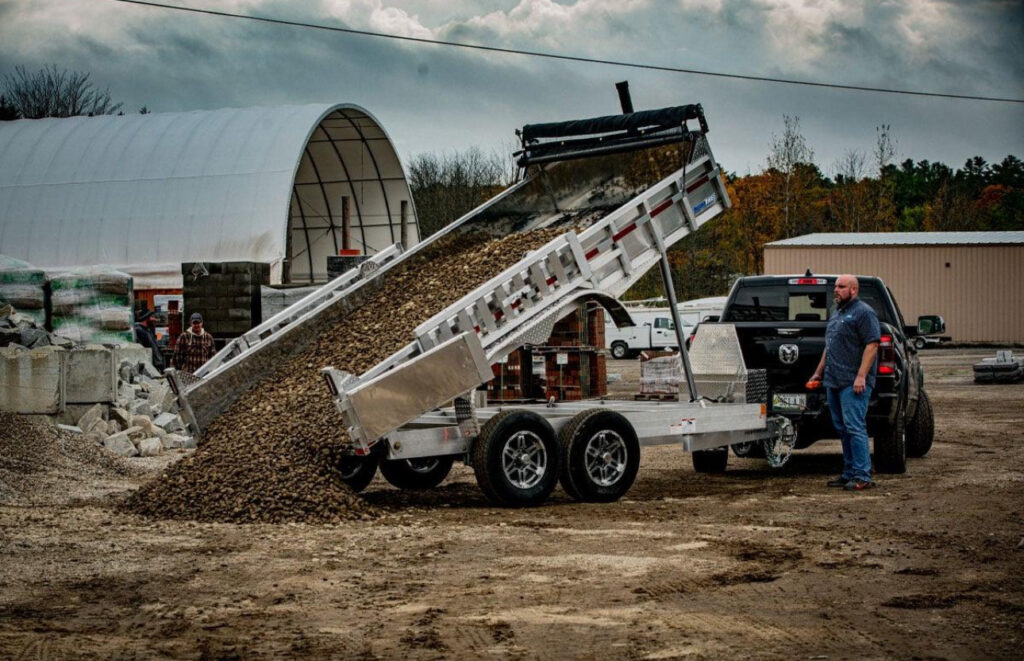
A dump trailer is equipped with a hydraulic lifting system that allows you to unload materials quickly and efficiently. This makes it the go-to option for hauling heavy materials like gravel, soil, and construction debris.
To explore available models, browse Dump Trailers and compare sizes, capacities, and configurations.
Types of Dump Trailers
Standard Dump Trailers
These trailers are perfect for general-purpose hauling and are widely used across construction and landscaping projects.
Gooseneck Dump Trailers
Gooseneck models provide:
Higher load capacity
Improved stability
Better weight distribution
They are often preferred for commercial applications and heavy-duty operations.
Low Profile Dump Trailers
Low profile trailers make loading easier and safer, especially when working with machinery.
For transporting heavy equipment alongside dump materials, some users combine them with Lowdeck Trailers for added flexibility.
Key Features to Consider When Buying a Dump Trailer
Weight Capacity (GVWR)
Choosing the correct capacity is critical. Overloading can damage your trailer and create serious safety risks.
For heavier loads, you may also want to compare with Deck-Over Trailers, which are built for maximum weight distribution.
Hydraulic System Quality
The hydraulic system determines how efficiently your trailer operates. A strong, reliable system reduces downtime and improves productivity.
Axles and Suspension
Tandem axle setups are recommended for most dump trailers because they provide better balance and durability under heavy loads.
Build Material
Steel dump trailers offer strength and durability, while aluminum options reduce weight and resist corrosion.
Essential Accessories for Dump Trailers
Adding the right upgrades can significantly improve performance. Consider essential Accessories such as:
Heavy-duty tarps
Loading ramps
Spare tires
Battery chargers
These accessories enhance both safety and convenience.
Matching the Right Trailer to Your Workload
Your choice should depend on your daily operations:
Light-duty work → smaller trailers or even Utility Trailers
Medium-duty → standard dump trailers
Heavy-duty construction → tandem axle or gooseneck dump trailers
For enclosed transport of tools alongside your dump trailer, many professionals also use Enclosed Cargo Trailers to protect valuable equipment.
Common Mistakes to Avoid
Choosing insufficient weight capacity
Ignoring hydraulic system quality
Not checking towing compatibility
Skipping necessary accessories
Avoiding these mistakes ensures better performance and fewer long-term costs.
Why Dump Trailers Are a Smart Investment
A high-quality dump trailer is more than just a tool—it’s a productivity booster. It allows you to:
Save time on unloading
Reduce manual labor
Increase job efficiency
Handle larger workloads
Conclusion
This dump trailer buying guide highlights the importance of choosing the right trailer based on your specific needs. By comparing options and understanding key features, you can make a confident investment.
For safe hauling practices, review the FMCSA cargo securement rules.
